Overhead Bridge Crane Installation Without Corbels – Guide
menu_open
Content Quick Link
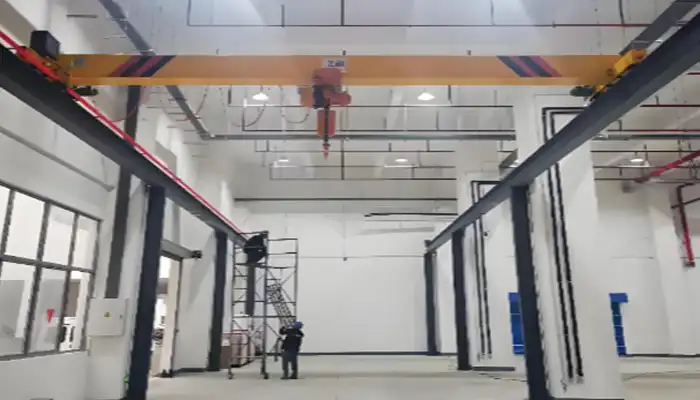
Learn the basics of overhead bridge cranes, the role of crane corbels, and challenges when corbels are absent. An overhead bridge crane is a type of lifting equipment that moves materials horizontally and vertically inside a workshop or industrial building. It typically consists of a bridge girder, a hoist, and a trolley running on rails fixed to the building structure. These cranes are commonly used in steel fabrication, warehouses, logistics centers, and heavy manufacturing facilities to lift, move, and position heavy loads safely and efficiently. Typical installation requirements include: Crane corbels are reinforced projections on the side of a building's columns or walls. They act as anchor points for the crane runway beams, carrying the weight of the crane, hoist, and lifted loads. Key points about crane corbels: Without corbels, the building's walls alone usually cannot safely carry the weight of the crane and its maximum load. That's where things get tricky. Not every workshop or warehouse is designed with corbels. Older buildings, rented facilities, or multi-use industrial halls often lack these projections. Installing an overhead crane in such spaces can be challenging because the crane needs solid support. Common problems include: When corbels are missing, simply attaching rails to the walls isn't safe. Alternative support structures or modifications are necessary to ensure safety, operational efficiency, and compliance with engineering standards. This guide is designed for engineers, workshop managers, and crane buyers who face the challenge of installing overhead bridge cranes without corbels. It covers practical solutions, installation methods, and safety considerations so that you can plan your crane setup without compromising building integrity or operational efficiency. By the end of this article, readers will understand: Explore structural limitations, safety regulations, and industries affected when installing overhead cranes without corbels. When a building lacks crane corbels, the structure itself becomes the main support for any overhead crane. Careful planning is essential. Not every wall, roof, or floor is built to carry the concentrated loads of a moving crane. Ignoring these limitations can lead to structural damage, safety hazards, or costly retrofits later. Key structural considerations include: Wall strength and load-bearing capacity Roof structure limitations Floor load capacity Even if a structure seems strong enough, legal and safety standards cannot be ignored. Installing a crane without meeting regulations can be dangerous and can lead to fines, liability, or insurance issues. Important compliance points include: National and local building codes OSHA and ISO requirements for crane installations Ensuring compliance early in planning saves headaches during installation and prevents costly retrofits or operational downtime. Buildings without crane corbels are common in multiple sectors. Understanding the type of facility can help identify practical installation solutions. Steel fabrication plants Warehouses and logistics facilities Heavy machinery workshops Explore freestanding gantries, steel column supports, underhung cranes, and roof reinforcement solutions when corbels are absent. A free-standing gantry crane is a crane that carries its own support structure instead of relying on the building walls. Think of it as a mobile bridge for your crane, standing on columns or legs that rest directly on the floor. When it's suitable: Pros: Cons: Instead of mounting rails on corbels, steel columns inside the building can carry the runway beams. The crane bridge runs on these rails just like a traditional overhead crane. Installation method: Structural requirements: Cost and flexibility considerations: Freestanding Underhung cranes are suspended from the building roof structure instead of resting on corbels or columns. They run on rails mounted directly to beams or purlins. Definition and mechanics: Load limitations and suitability: Advantages: Sometimes the building can be modified to support a traditional top-running crane. This involves strengthening roof trusses, girders, or other load-bearing members to carry the crane safely. Strengthening techniques: When this is feasible vs. costly: Choosing the right support method depends on building structure, crane type, load capacity, and operational needs. Free-standing gantries are flexible but occupy space, steel columns give stability, underhung cranes save floor area, and roof reinforcement allows traditional setups in existing buildings. Each solution has trade-offs between cost, complexity, and practicality. A detailed guide for installing overhead bridge cranes safely, from site assessment to commissioning. Before lifting anything, inspect the facility carefully to understand building constraints. A thorough assessment prevents surprises and helps select the appropriate support method. Engineers calculate all loads including bridge, trolley, hoist, and maximum lifted weight. Accurate calculations ensure safe and reliable operation. Choosing the proper crane type early avoids costly modifications. Single girder vs. double girder: Top-running vs. underhung: Prepare or modify supports to safely carry the crane loads. Proper preparation ensures safe long-term operation with minimal vibration or misalignment. Rails must be perfectly level and aligned to guarantee smooth crane travel. Accurate rail installation reduces maintenance costs and extends crane lifespan. Install the hoist and trolley carefully, as this is the core of crane operation. Load testing: Conduct a full inspection before putting the crane into regular operation. Proper commissioning ensures the crane operates safely, reliably, and efficiently from day one. Key inspection and compliance procedures during crane installation. Before a crane enters regular service, it must be tested to ensure it can safely handle its rated load. Regular load testing helps detect hidden weaknesses in the support structure, rails, or crane components before accidents occur. Cranes installed without corbels may transfer unexpected forces to the building structure. Monitoring vibration and deflection ensures long-term stability. Even small vibrations over time can cause rail wear, misalignment, or structural damage. Cranes must have functional safety devices to prevent accidents and equipment damage. Testing these systems during installation ensures the crane responds correctly under emergency conditions. The installation phase can be more dangerous than regular operation, especially when modifying structures or lifting heavy components. A well-organized installation reduces the risk of accidents and structural errors. Installations must meet national and local regulations to ensure legal and operational safety. Meeting these standards protects workers, ensures insurance coverage, and reduces liability. Key financial and long-term planning factors for crane support systems. Different support methods carry different price tags. Understanding the cost implications helps you make the right choice for your building and operations. Practical tip: Consider not only installation cost but also long-term maintenance, operational efficiency, and potential future upgrades. Time planning is as important as cost. A crane installation affects production, logistics, and worker safety, so scheduling must be precise. Realistic timelines prevent rushed work, which can compromise safety and lead to errors. A crane installation is not just about today—it is about the next 10–20 years of operation. Planning for the future reduces downtime, lowers lifecycle costs, and ensures the crane continues to meet operational needs as production changes. Practical examples of structural solutions and installation strategies. A medium-sized steel fabrication plant needed a 15-ton double girder overhead crane to handle H-beams and welded structures. The building was older, with no crane corbels and roof trusses that were not rated for heavy loads. Solution implemented: Lessons learned: A logistics facility needed a crane to lift pallets and light bulk materials, but the walls were weak and there were no corbels. The floor was strong enough to support a free-standing solution. Solution implemented: Lessons learned: Takeaway: Even without corbels, overhead cranes can be safely and efficiently installed with proper planning, structural solutions, and attention to detail. Final recommendations, safety considerations, and planning strategies. Installing an overhead bridge crane without crane corbels is more challenging than a standard setup, but with careful planning and proper strategies, reliable long-term operation is achievable. Alternative installation strategies: Safety and structural integrity: Practical planning: Final recommendations for buyers and engineers: With the right approach, even facilities without corbels can operate overhead bridge cranes safely and efficiently, supporting daily operations and future growth.Introduction to Overhead Bridge Cranes and Crane Corbels
What is an Overhead Bridge Crane?
What Are Crane Corbels and Why Do They Matter?
Challenges When Crane Corbels Are Absent
Purpose of This Article
Constraints in Corbel-Free Workshops
Structural Limitations of Buildings Without Crane Corbels
Regulatory and Safety Considerations
Typical Industries Affected
Alternative Support Options for Corbel-Free Workshops
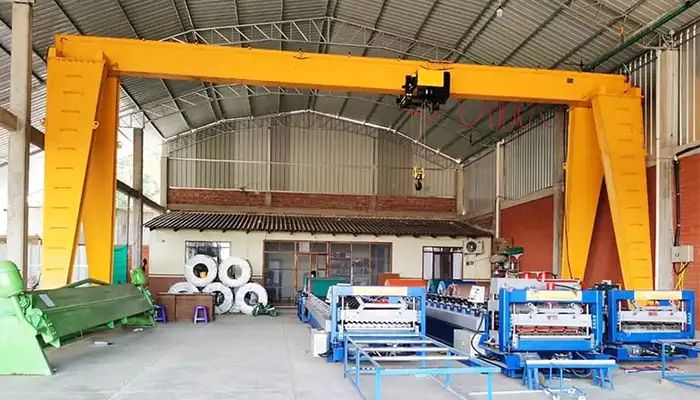
Free-Standing Gantry Support
Top-Running Rails Supported by Steel Columns
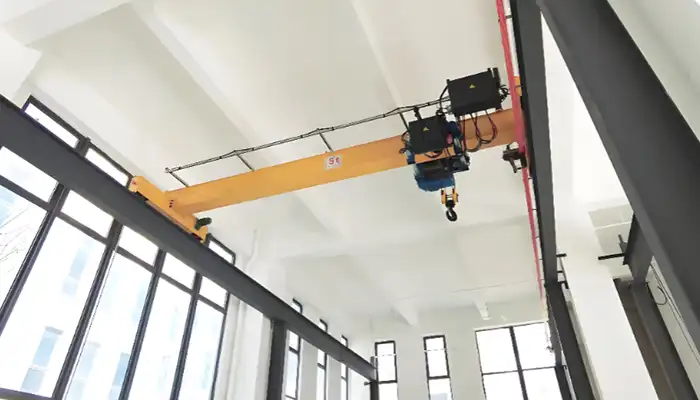 top running freestanding overhead cranes
Underhung Cranes (Monorail or Underslung Bridges)
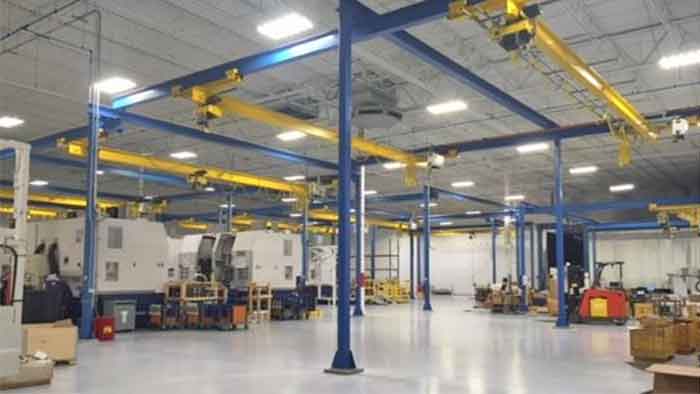
Reinforcing Existing Roof or Beam Structures
Step-by-Step Installation Process for Corbel-Free Workshops
Preliminary Site Assessment
Structural Calculations and Load Analysis
Selecting the Right Crane Type
Fabrication or Modification of Supporting Structure
Rail Alignment and Fixation
Hoist Installation and Testing
Commissioning and Safety Inspection
Crane Installation Safety and Testing
Load Testing Procedures
Vibration and Deflection Monitoring
Emergency Stops and Overload Protection
Worker Safety During Installation
Compliance with Local Engineering Standards
Crane Installation Cost and Planning Considerations
Comparative Costs
Installation Timeline and Workflow Planning
Future Scalability and Maintenance Accessibility
Real Project Case Studies: Installing Overhead Cranes Without Corbels
Steel Fabrication Workshop Without Corbels Installing a Double Girder Overhead Crane
Logistics Warehouse Using Free-Standing Gantry Support
Best Practices Across All Scenarios
Conclusion: Installing Overhead Bridge Cranes Without Corbels
Key Takeaways and Final Recommendations
Optional Add-ons
Adding quick references and checklists helps engineers and crane buyers make faster, safer decisions when installing overhead bridge cranes without corbels.
Quick Reference Table: Crane Types vs. Installation Methods Without Corbels
| Crane Type | Support Method | Load Capacity Range | Best For | Notes |
|---|---|---|---|---|
| Single Girder Overhead Crane | Free-standing gantry | Light to medium (1–10 tons) | Older buildings, rented workshops | Requires strong floor; flexible layout |
| Double Girder Overhead Crane | Steel columns supporting rails | Medium to heavy (10–50 tons) | Steel fabrication, heavy-duty lifting | Needs precise column placement; more stable than gantry |
| Single/Double Girder Crane | Underhung (suspended from beams) | Light to medium (1–15 tons) | Warehouses, light material handling | Roof structure must support load; saves floor space |
| Double Girder Overhead Crane | Reinforced roof or beams | Medium to heavy (10–50 tons) | Long-term installations, high-capacity cranes | Costly but maintains traditional layout |
Checklist for Buyers/Engineers: Key Questions Before Installation
Before committing to a crane installation without corbels, ask these practical questions:
Building Structure:
- Can walls, roof, or floors safely carry crane loads?
- Are reinforcements or columns needed for stability?
Crane Selection:
- Is a single girder, double girder, or underhung crane best for the intended load and workflow?
- What span and capacity are required now and in the future?
Support Method:
- Free-standing gantry, steel columns, underhung, or reinforced beams—what fits the building layout?
- Will the installation obstruct workflow or access?
Safety and Compliance:
- Are local building codes and OSHA/ISO standards being followed?
- Has load testing, vibration monitoring, and emergency system verification been planned?
Cost and Maintenance:
- What is the estimated installation cost for each method?
- Is the support structure accessible for routine maintenance and future upgrades?
Using this checklist ensures engineers and buyers plan installations carefully, prevent costly mistakes, and maintain operational efficiency.

Article by Bella ,who has been in the hoist and crane field since 2016. Bella provides overhead crane & gantry crane consultation services for clients who need a customized overhead travelling crane solution.Contact her to get free consultation.